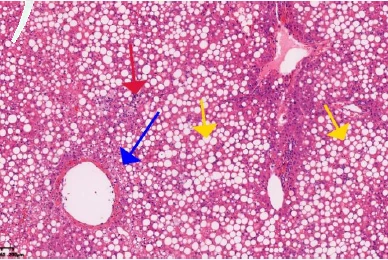
Type 1 Diabetes Mellitus Model

Type 1 Diabetes Mellitus Model

Healthy young cynomolgus monkeys, juvenile or adult single high-dose injections of STZ,Clinical endpoints: 1.Body weight, food consumption, urine volume 2.Regular blood glucose level, regular urine glucose level, HbA1c 3.Fasting glucose level, fasting insulin, fasting C-peptide 4.OGTT/IVGTT 5.Renal function biomarkers 6.Pancreas histology
Send Inquiry
Product Introduction

Type 1 Diabetes Mellitus (T1DM) is a chronic autoimmune condition characterized by the destruction of insulin-producing beta cells in the pancreas. This leads to a severe deficiency of insulin, a hormone essential for regulating blood glucose levels. Without insulin, glucose cannot enter cells to be used for energy, resulting in high blood sugar levels (hyperglycemia). T1DM typically manifests in childhood or adolescence, although it can occur at any age. It requires lifelong insulin therapy to manage blood glucose levels and prevent complications such as diabetic ketoacidosis, cardiovascular disease, neuropathy, nephropathy, and retinopathy. Unlike type 2 diabetes, which is largely associated with lifestyle factors, T1DM is primarily driven by autoimmune processes.


Cause: The primary cause of T1DM is autoimmune destruction of the insulin-producing beta cells in the islets of Langerhans within the pancreas. This autoimmune response is thought to be triggered by a combination of genetic predisposition and environmental factors. Genes associated with the human leukocyte antigen (HLA) system, such as HLA-DR3 and HLA-DR4, are strongly linked to an increased risk of developing T1DM. Environmental factors that may trigger the autoimmune response include viral infections (e.g., enteroviruses), early introduction of certain foods, or other environmental toxins that initiate an abnormal immune response against the pancreatic beta cells.Once this autoimmune destruction begins, the body progressively loses its ability to produce insulin. This results in chronic hyperglycemia, which requires regular insulin replacement to manage blood sugar levels. The onset of T1DM is often rapid, and patients may present with symptoms such as excessive thirst (polydipsia), frequent urination (polyuria), weight loss, and fatigue.Diagnosis of T1DM typically involves measuring blood glucose levels, hemoglobin A1c, and the presence of autoantibodies against pancreatic cells. Treatment requires lifelong insulin therapy, along with careful monitoring of blood glucose levels, diet, and physical activity.


Advantages of Non-Human Primate (NHP) Models for T1DM Research:


1.Close Immune System Similarity: NHPs possess an immune system that closely resembles that of humans, making them an ideal model for studying the autoimmune mechanisms underlying T1DM. This includes the interaction between T cells and pancreatic beta cells, which is critical for understanding disease pathogenesis and for developing immunomodulatory therapies.

2.Pancreatic and Metabolic Homology: The anatomy and function of the pancreas in NHPs are highly similar to those in humans, including insulin secretion and glucose metabolism. This makes NHPs suitable for studying the effects of beta cell destruction and the metabolic consequences of insulin deficiency.
3.Translational Value for Therapeutic Development: NHPs serve as a critical bridge in translational research, especially for testing new therapeutic strategies such as islet cell transplantation, beta cell regeneration, and gene therapy. Their physiological and immunological similarities to humans make them particularly valuable for evaluating the safety and efficacy of such treatments before transitioning to clinical trials.
4.Longer Lifespan for Studying Disease Progression: The longer lifespan of NHPs allows for the study of the long-term progression of T1DM and its complications, as well as the chronic effects of therapies. This is especially important for assessing the durability of interventions like immunotherapies or islet transplantation.

Advantages of NHP Models Compared to Mouse Models for T1DM Research:


1.Closer Immune System and Autoimmune Process Modeling: NHPs exhibit immune responses more similar to humans than mice, making them superior models for studying the autoimmune destruction of pancreatic beta cells in T1DM. Mice often require genetic modifications to mimic the autoimmune aspects of T1DM, and even then, the immune processes do not fully replicate human disease.
2.More Accurate Pancreatic Beta Cell Function and Anatomy: The structure and function of pancreatic islets in NHPs are more comparable to those in humans than in mice, to more relevant findings when studying beta cell destruction, insulin secretion, and the development of diabetes. Mouse models often differ significantly in islet architecture and beta cell responsiveness, limiting their translational relevance.
3.Better Modeling of Insulin Therapy and Glucose Regulation: Due to their closer physiological resemblance to humans, NHPs are better models for studying insulin therapy, glucose regulation, and the development of complications related to T1DM. In contrast, mice have different metabolic rates and insulin sensitivities, which can affect the outcomes of studies involving insulin replacement and glycemic control.
4.Translational Relevance for Testing Advanced Therapies: NHPs provide a more reliable platform for testing advanced therapeutic approaches, such as islet transplantation, stem cell therapies, and immune tolerance strategies. These therapies often require a model that can closely replicate human immune responses and pancreatic function, which NHPs are better suited for compared to mice. Findings from NHP models are more likely to be translatable to human clinical trials, particularly in the development of long-term treatment strategies for T1DM.


Study design and clinical endpoints


Study design:


Healthy young cynomolgus monkeys, juvenile or adult

single high-dose injections of STZ


Study design fo T1DM


Clinical endpoints:


1.Body weight, food consumption, urine volume

2.Regular blood glucose level, regular urine glucose level, HbA1c

3.Fasting glucose level, fasting insulin, fasting C-peptide

4.OGTT/IVGTT

5.Renal function biomarkers

6.Pancreas histology


FCP fo T1DM
FCP Clinical reference range: 0.4±0.2nmol/L
T1DM: <0.2nmol/L
key result and figure legend


FBG
 
FINS of T1DM
FINS clinical reference range: 5-20mlU/L
T1DM: <5mlU/L or cannot detect


Contact Us for More Info


Related capabilities. This model is commonly combined with ADME services, clinical imaging and biodistribution imaging within an integrated NHP study.

Hot Tags: type 1 diabetes mellitus model, research, study, monkey, gene therapy, NHP Lung Fibrosis Model, NHP Safety evaluation pharmacology, Coagulation Hemostasis Nonhuman Primates Disease Model, Non Human Primate NHP , Glaucoma Nonhuman Primates Disease Model, NHP Asthma Dermatitis Model

Send Inquiry

Prisys Biotechnologies Co., Ltd.

Better Human Health by Primate Translational Sciences.

NHP CRO for Translational Research, PK/PD and Precision Delivery

img
AAALAC International Accredited
Contact Us

whatsapp

Phone

E-mail

Inquiry