Immune disease models and translational technologies in non-human primates
Prisys Biotech provides non-human primate (NHP) models and supporting technologies for immunology, inflammation, and autoimmune drug development. The portfolio includes atopic dermatitis, psoriasis, pruritus, ulcerative colitis, asthma, delayed-type hypersensitivity, rheumatoid arthritis/CIA, osteoarthritis, multiple sclerosis/EAE, and T-cell-dependent antibody response studies.
These models can be combined with immunology assays, molecular analyses, imaging, clinical observations, biosampling, pharmacology, and PK/PD assessments. The model and endpoint package are selected according to the therapeutic mechanism, target biology, modality, and development question.
Immune and inflammation models at a glance
Prisys Biotech's NHP immunology platform covers allergic and dermatological inflammation, gastrointestinal inflammation, respiratory inflammation, autoimmune disease, joint disease, neuroinflammation, and immune response assessment.
The following models and study categories are available for protocol discussion, subject to scientific fit, model availability, and study-specific design.
Atopic dermatitis model
The NHP atopic dermatitis model supports the study of skin inflammation, barrier disruption, itching, and treatment response. Depending on the protocol, assessments may include lesion severity, skin changes, transepidermal water loss (TEWL), pruritus-related behavior, inflammatory biomarkers, and histopathology.
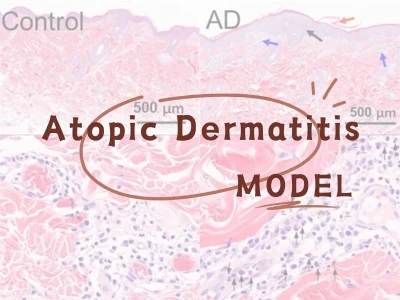
TEWL provides a non-invasive measure of skin barrier function that can be followed alongside clinical and molecular endpoints. The final induction method, treatment schedule, skin assessment plan, and biomarker panel should be defined according to the therapeutic hypothesis.
Psoriasis model
The NHP psoriasis model is used to study psoriatic-like skin inflammation and evaluate topical, systemic, biologic, or other immunomodulatory therapies. Study endpoints may include skin lesion assessment, erythema or scaling, skin thickness, histopathology, immune-cell profiling, cytokine analysis, and treatment-related changes over time.

The disease phenotype and endpoint package should be matched to the mechanism of the therapy, such as cytokine pathway modulation, immune-cell regulation, or improvement of skin inflammation.
Pruritus model
The NHP pruritus model is used to evaluate itch-related behavior and the pharmacology of itch pathways. It can support studies of antipruritic therapies and mechanisms involving neuroimmune signaling, including protocol-specific challenge or spontaneous itch-related behavior.

Behavioral endpoints may include scratching frequency, scratching duration, latency to scratch, affected body region, and changes after treatment. Where relevant, behavioral data can be interpreted with skin findings, cytokine measurements, and other immune or sensory endpoints.
Inflammatory bowel disease model, including ulcerative colitis
The NHP inflammatory bowel disease (IBD) model, including ulcerative colitis (UC)-related study designs, supports research into intestinal inflammation, mucosal injury, disease activity, and treatment response.

Depending on the protocol, assessments may include clinical signs, stool-related observations, endoscopic findings, mucosal or tissue pathology, inflammatory biomarkers, immune-cell analysis, and longitudinal biosampling. The final disease induction and assessment plan should reflect the mechanism and intended clinical use of the therapy.
Asthma model
The NHP asthma model supports the evaluation of airway inflammation, airway hyperresponsiveness, allergic or immune-mediated respiratory responses, and treatment effects. Studies may combine respiratory function measurements with airway sampling, inflammatory-cell analysis, cytokine assays, imaging, and clinical observations.

The study design can be adapted for therapies directed at airway inflammation, immune-cell recruitment, bronchoconstriction, mucus-related changes, or other asthma-associated pathways.
Delayed-type hypersensitivity model
Delayed-type hypersensitivity (DTH) is a cell-mediated immune response model used to assess antigen-specific immune activation and the effect of immunomodulatory treatments. It can provide a controlled, measurable challenge for evaluating changes in local inflammation and cellular immune response.

Potential endpoints include the local inflammatory response, swelling or skin thickness, histopathology, immune-cell infiltration, cytokines, and other protocol-defined immune markers. The antigen, challenge schedule, treatment timing, and measurement window are specified during protocol development.
Rheumatoid arthritis and collagen-induced arthritis model
The NHP rheumatoid arthritis (RA) model, including collagen-induced arthritis (CIA), supports research into inflammatory joint disease, autoimmune mechanisms, and treatment response. It can be used to evaluate anti-inflammatory therapies, biologics, immunomodulators, and other approaches directed at joint inflammation.
Study endpoints may include joint swelling, clinical arthritis scores, mobility, imaging, inflammatory biomarkers, immune-cell profiles, and joint histopathology. The final endpoint set should be selected according to the mechanism of action and the stage of the therapeutic program.
Osteoarthritis model
The NHP osteoarthritis model supports the study of joint degeneration, structural changes, pain-related function, and treatment response. It can be used for disease-modifying osteoarthritis therapies, symptom-oriented treatments, biologics, and other interventions that target cartilage, synovium, subchondral bone, or joint inflammation.
Depending on the protocol, studies may include imaging, joint examination, mobility or gait-related observations, pain-related behavioral endpoints, synovial or cartilage assessments, and molecular biomarkers. Structural and functional endpoints can be followed over time where appropriate.
Multiple sclerosis and EAE model
The multiple sclerosis (MS) model, including experimental autoimmune encephalomyelitis (EAE), supports research into autoimmune neuroinflammation, demyelination-related disease, neurological impairment, and immunomodulatory treatment response.
Potential assessments include neurological scoring, disease progression, MRI or other imaging, immune-cell profiling, cytokine analysis, tissue pathology, and pharmacodynamic measurements. The model and endpoint strategy should be designed around the therapeutic mechanism and the intended clinical development question.
T-cell-dependent antibody response model
The T-cell-dependent antibody response (TDAR) model is used to assess immune competence, antigen-specific antibody production, and the effect of a test article on adaptive immune function. It is commonly used in immunotoxicology, immunomodulator development, vaccine-related research, and studies that require an integrated evaluation of T-cell and B-cell function.
Study assessments may include antigen-specific antibody titers, total immunoglobulin profiles, immune-cell panels, cytokine analysis, and other protocol-defined immune endpoints. TDAR is an immune response model rather than a disease model, and it can complement disease-specific inflammation or autoimmune studies.
Technologies supporting NHP immunology studies
Prisys Biotech combines NHP disease models with study technologies that measure clinical, cellular, molecular, and pharmacological responses. A project may use one technology or several methods, depending on the therapeutic question.
Advanced immunology assays
The immunology assay platform can support detailed characterization of NHP immune responses, including:
- blood immunoglobulin profiles;
- immune-cell panels and immunophenotyping;
- cytokine and inflammatory mediator analysis;
- antigen-specific antibody responses;
- pharmacodynamic biomarkers; and
- other study-specific cellular or molecular assays.


These measurements can be applied to autoimmune, allergic, inflammatory, immunomodulatory, and immunotoxicology programs. The assay panel should be defined with the model and mechanism of action so that the results support a clear interpretation.
Clinical observation and quantitative endpoints
NHP immunology studies can include standardized clinical observations and quantitative endpoints for skin, joint, gastrointestinal, respiratory, neurological, or systemic inflammation. Examples include TEWL for skin barrier function, joint scoring for arthritis, respiratory measurements for asthma, neurological scoring for EAE, and antibody titers for TDAR.
The endpoint schedule is designed around baseline, disease or challenge induction, treatment, and follow-up periods. Repeated assessments can help characterize response within the same animal when scientifically and ethically appropriate.
Imaging and longitudinal assessment
Imaging can support disease characterization, anatomical assessment, treatment monitoring, and longitudinal study design. Depending on the indication, Prisys Biotech can integrate MRI, CT, PET-CT, DSA, or other protocol-defined imaging approaches.
Imaging may be relevant to joint disease, neuroinflammation, respiratory disease, tissue inflammation, or other programs that require structural or functional information in addition to laboratory assays.
Biosampling and molecular analysis
Blood, CSF, tissue, and other protocol-defined samples can be used for immune profiling, cytokine analysis, pharmacology, PK/PD, biomarker evaluation, and histopathology. Repeated biosampling may support the analysis of disease progression, exposure, immune response, and treatment effect over time.
The sampling schedule, sample type, processing method, and analysis plan are established during protocol development.
NHP pharmacology and PK/PD
Immune and inflammation models can be integrated with pharmacology and PK/PD studies to evaluate exposure, dose-response relationships, pharmacodynamic effects, and the relationship between systemic exposure and immune or clinical endpoints.
For biologics and other therapies that depend on target cross-reactivity, NHP studies may provide relevant information on pharmacology and immune response when the target, modality, and model are scientifically appropriate.
How the immunology technologies are combined
A typical immune disease study may connect several evidence streams:
- Disease or immune-response model: establishes the relevant inflammatory, autoimmune, allergic, or adaptive immune phenotype.
- Clinical and functional endpoints: measures skin, joint, gastrointestinal, respiratory, neurological, or behavioral changes.
- Immunology assays: characterizes immune-cell populations, immunoglobulins, cytokines, antibody responses, or pharmacodynamic biomarkers.
- Imaging and biosampling: provides structural, tissue, molecular, or longitudinal information.
- Pharmacology and PK/PD: relates dose and exposure to immune modulation and observed response.
- Integrated interpretation: connects the study findings to the mechanism of action and the next development decision.
Not every project requires every technology. The appropriate combination depends on the therapeutic modality, target, disease model, study duration, and decision criteria.
Immunology study planning at Prisys Biotech
Prisys Biotech supports sponsors in defining the NHP model, study endpoints, technology package, and analysis plan before execution. Protocol discussion typically addresses:
- the disease mechanism or immune-response question;
- the most appropriate model or model combination;
- induction or challenge method, if applicable;
- treatment groups, dosing schedule, and study duration;
- primary and secondary clinical or functional endpoints;
- immune-cell, immunoglobulin, cytokine, or antibody-response assays;
- imaging, biosampling, histopathology, PK/PD, or other supporting assessments; and
- data analysis, reporting, and interpretation requirements.
Model availability, induction procedures, and endpoint details should be confirmed during protocol development. The final design should reflect the scientific objective and the ethical justification for NHP use.
Selected peer-reviewed studies from Prisys Biotech's immunology and inflammation programs are listed on our scientific publications page, together with the NHP model and platform capabilities documented in each record.
For related reading, see our articles on how NHP studies accelerate rheumatology drug development and how RNA-mediated immune responses can affect drug PK.
Frequently asked questions
Q: What immune and inflammation models does Prisys Biotech offer?
A: Prisys Biotech's NHP immunology portfolio includes atopic dermatitis, psoriasis, pruritus, inflammatory bowel disease including ulcerative colitis, asthma, delayed-type hypersensitivity, rheumatoid arthritis/CIA, osteoarthritis, multiple sclerosis/EAE, and T-cell-dependent antibody response studies.
Q: Which NHP models are used for autoimmune disease research?
A: Autoimmune disease research may use rheumatoid arthritis/CIA, multiple sclerosis/EAE, and other indication-specific models subject to scientific fit and protocol review. The appropriate model depends on the target, disease mechanism, therapeutic modality, and required endpoints.
Q: What is the difference between a disease model and TDAR?
A: A disease model reproduces selected features of a specific pathological condition, such as arthritis, skin inflammation, or neuroinflammation. TDAR is an immune response model used to assess antigen-specific adaptive immune function and the effects of a test article on antibody production.
Q: Can NHP immunology studies include cytokine and immune-cell analysis?
A: Yes. Studies may include cytokine analysis, blood immunoglobulin profiles, immunophenotyping, antigen-specific antibody responses, and other immune assays. The final panel is selected according to the model and the mechanism of action.
Q: Can atopic dermatitis studies include pruritus and TEWL endpoints?
A: Yes. Where appropriate, an atopic dermatitis study can include pruritus-related behavior and transepidermal water loss (TEWL) together with clinical skin assessment, biomarkers, and histopathology.
Q: Can asthma studies include respiratory and inflammatory endpoints?
A: Yes. An NHP asthma study may combine respiratory function measurements with airway sampling, inflammatory-cell analysis, cytokine assays, imaging, and clinical observations, depending on the study question.
Q: Can immunology models be combined with PK/PD and imaging?
A: Yes. NHP immunology studies can integrate PK/PD, immunology assays, imaging, biosampling, histopathology, and clinical or functional endpoints. The final combination is determined during protocol design.
Discuss your immunology research program
If you are developing an immunomodulatory, autoimmune, allergic, inflammatory, respiratory, gastrointestinal, dermatology, or vaccine-related program, contact Prisys Biotech to discuss the appropriate NHP model, technology package, and study endpoints.