


Immunosuppression Model
Immunosuppression, a reduction of the activation or efficacy of the immune system. Some portions of the immune system itself have immunosuppressive effects on other parts of the immune system, and immunosuppression may occur as an adverse reaction to treatment of other conditions. In Prisys, we've established immunosuppression in cynomolgus monkeys.
Therapeutic Immunosuppression: Managing Transplants and Autoimmune Diseases
In general, deliberately induced immunosuppression is performed to prevent the body from rejecting an organ transplant. Additionally, it is used for treating graft-versus-host disease after a bone marrow transplant, or for the treatment of auto-immune diseases such as systemic lupus erythematosus, rheumatoid arthritis , Sjögren's syndrome, or Crohn's disease . This is typically done using medications, but may involve surgery (splenectomy), plasmapheresis, or radiation.
Advantages of NHP Immunosuppression model
Immunosuppression regimen for cell/organ transplantation:
Lineage specific cell depletion protocol (upon request):
Methylprednisolone
Thymoglobuline (ATG)
Prednisone
Tacrolimus
Mycophenolate mofetil

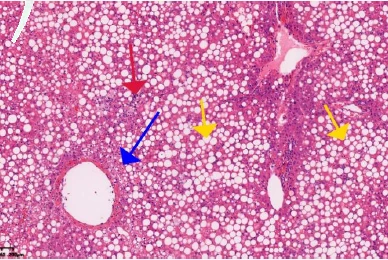
key result and figure legend


Hot Tags: immunosuppression model, research, study, monkey, gene therapy, Epilepsy Nonhuman Primates, Pulmonary Artery Hypertension Embolism Nonhuman Primates Disease Model, NHP CRO pharmacology, Myopia Hyperopia Nonhuman Primates Disease Model, NHP DMPK pharmacology, NHP biosafety pharmacology
Previous
Hemophilia A ModelYou Might Also Like


Send Inquiry