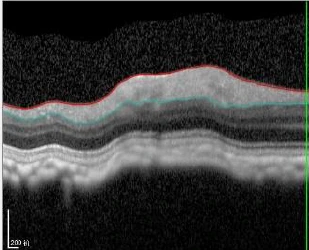
Hyperlipidemia, also known as dyslipidemia, refers to the condition of abnormally elevated levels of lipids (fats) in the blood, including cholesterol and triglycerides. Hyperlipidemia is a major risk factor for cardiovascular diseases, such as atherosclerosis, coronary artery disease, stroke, and peripheral artery disease. The condition is often classified into different types based on which lipids are elevated (e.g., hypercholesterolemia, hypertriglyceridemia) and can be either primary, due to genetic factors, or secondary, resulting from lifestyle factors, underlying diseases, or certain medications. Because of its role in promoting plaque formation within arteries, hyperlipidemia is a critical target for intervention to reduce the risk of heart attacks and other cardiovascular events.
Cause: Hyperlipidemia can result from a combination of genetic, dietary, and lifestyle factors. Primary hyperlipidemia is typically caused by inherited genetic mutations, such as those affecting the LDLR gene, which lead to conditions like familial hypercholesterolemia. These genetic mutations impair the body's ability to regulate lipid levels, resulting in persistently high cholesterol or triglycerides.
Secondary hyperlipidemia, on the other hand, is often driven by lifestyle factors such as a diet high in saturated fats, trans fats, and cholesterol, as well as physical inactivity, obesity, and excessive alcohol consumption. Conditions like diabetes, hypothyroidism, kidney disease, and liver disease can also contribute to secondary hyperlipidemia. Additionally, certain medications, such as corticosteroids, antiretrovirals, and diuretics, can disrupt lipid metabolism and lead to elevated lipid levels.
Diagnosis typically involves blood tests to measure levels of total cholesterol, LDL (low-density lipoprotein) cholesterol, HDL (high-density lipoprotein) cholesterol, and triglycerides. Treatment focuses on lifestyle changes, including dietary modifications, weight loss, and increased physical activity, alongside pharmacological interventions like statins, fibrates, and PCSK9 inhibitors to manage lipid levels and reduce cardiovascular risk.
Advantages of Non-Human Primate (NHP) Models for Hyperlipidemia Research:
1.Similar Lipid Metabolism to Humans: NHPs share a highly similar lipid metabolism profile with humans, including the composition of lipoproteins and the regulation of cholesterol and triglycerides. This makes them a valuable model for studying the pathophysiology of hyperlipidemia and evaluating the effects of lipid-lowering therapies.
2.Development of Atherosclerosis: Like humans, NHPs can develop diet-induced hyperlipidemia and subsequent atherosclerosis, making them an ideal model for studying the progression of cardiovascular disease related to elevated lipid levels. This includes the formation of arterial plaques, which is a critical component of cardiovascular research.
3.Relevance for Testing Therapeutic Interventions: NHP models are particularly useful for evaluating the safety and efficacy of pharmacological interventions, such as statins and newer lipid-lowering agents, due to their similar lipid metabolism and cardiovascular physiology. This allows for more reliable predictions of therapeutic outcomes in humans.
4.Translational Value for Long-Term Studies: NHPs' longer lifespan and physiological similarities to humans make them suitable for long-term studies on the effects of chronic hyperlipidemia and the impact of sustained lipid-lowering interventions on cardiovascular outcomes, which is crucial for translating findings to human clinical practice.
Advantages of NHP Models Compared to Mouse Models for Hyperlipidemia Research:
1.Closer Lipid Metabolism Similarity: NHPs have a lipid metabolism that more closely mirrors that of humans, particularly in the composition and regulation of lipoproteins like LDL and HDL cholesterol. Mice have significant differences in lipid metabolism, such as naturally higher HDL levels and resistance to atherosclerosis, which limits their utility in fully replicating human hyperlipidemia.
2.More Accurate Atherosclerosis Modeling: NHPs develop atherosclerosis in response to hyperlipidemia in a manner that closely mimics human disease, including plaque formation, arterial stiffening, and inflammation. Mice often require genetic modifications to develop atherosclerosis, and even then, the progression and nature of the disease differ from what is observed in humans.
3.Better Immune and Inflammatory Response Representation: The immune system of NHPs is more similar to that of humans than that of mice, making them a better model for studying the inflammatory processes that underlie atherosclerosis and cardiovascular complications of hyperlipidemia. This relevance is particularly important when assessing the impact of lipid-lowering therapies on immune responses and inflammation.
4.Greater Relevance for Drug Development: Due to their closer physiological resemblance to humans, NHPs provide a more reliable platform for preclinical testing of lipid-lowering drugs, including dosing, efficacy, and safety. Findings from NHP models are often more predictive of human outcomes compared to those from mouse models, making them crucial in the development of new therapies for hyperlipidemia and related cardiovascular diseases.
Study design and clinical endpoints
Study design:
•Hight trans-Fat, High Fructose Diet (HFFD)-based induction: perfect simulation of unhealthy fast-food diet
•Simulation of human metabolic syndrome development w/w/o a combined risk factor: hyperlipidemia, hypercholesterolemia, NASH, T2DM…