Asthma is a chronic respiratory disease characterized by inflammation and narrowing of the airways, to recurring episodes of wheezing, shortness of breath, chest tightness, and coughing. These symptoms are often triggered by environmental factors such as allergens, air pollution, exercise, or stress. Asthma involves both reversible airway obstruction and bronchial hyperresponsiveness, meaning that the airways are overly sensitive to stimuli. Asthma can vary in severity from mild to life-threatening and is often classified into different types, including allergic (atopic) and non-allergic asthma. It is a long-term condition that typically requires ongoing management, including the use of medications like bronchodilators and corticosteroids to control symptoms and prevent exacerbations.
Cause:
The exact cause of asthma is not fully understood, but it is believed to result from a combination of genetic predisposition and environmental factors. Key causes include:
•Genetics: A family history of asthma or other allergic conditions (such as eczema, hay fever, or food allergies) increases the risk of developing asthma. Specific genetic variants related to immune system regulation and airway responsiveness have been associated with asthma.
•Environmental Triggers: Exposure to environmental factors, especially early in life, plays a significant role in the development and exacerbation of asthma. Common triggers include allergens (such as pollen, dust mites, mold, and pet dander), air pollution (including smoke and industrial chemicals), respiratory infections, cold air, and exercise. Occupational exposure to irritants can also trigger asthma in some adults.
•Immune System Dysregulation: Asthma is often associated with an overactive immune response to harmless substances, to chronic inflammation of the airways. In allergic asthma, the immune system produces IgE antibodies in response to allergens, causing inflammation and airway hyperresponsiveness.
•Other Factors: Obesity, stress, and certain medications (e.g., aspirin, beta-blockers) can exacerbate asthma symptoms. Viral infections, particularly respiratory syncytial virus (RSV), during childhood are also linked to the development of asthma.
The diagnosis of asthma typically involves pulmonary function tests, such as spirometry, to assess lung function, as well as a clinical evaluation of symptoms and triggers. Treatment usually includes inhaled corticosteroids, long-acting bronchodilators, and in some cases, biologics that target specific inflammatory pathways.
Advantages of Non-Human Primate (NHP) Models for Asthma Research:
1.Immunological Similarity to Humans: NHPs have an immune system that is more similar to humans than that of rodents, particularly in terms of T-cell responses and the production of cytokines like IL-4, IL-5, and IL-13, which are central to the pathophysiology of asthma. This makes NHPs ideal for studying the immune mechanisms involved in asthma and for testing immune-targeted therapies, such as biologics.
2.Similar Airway Structure and Function: The respiratory anatomy and airway physiology of NHPs closely resemble those of humans, including airway branching patterns and lung structure. This allows for more accurate modeling of airway inflammation, hyperresponsiveness, and remodeling in asthma, to better translational outcomes in therapeutic research.
3.Chronic and Allergic Asthma Modeling: NHPs can develop chronic and allergic forms of asthma in response to long-term exposure to environmental allergens, similar to humans. This makes them valuable for studying the chronic nature of asthma, the role of repeated allergen exposure, and the effectiveness of long-term treatments.
4.Longer Lifespan for Studying Disease Progression: The longer lifespan of NHPs allows for the study of the progression of asthma over time, as well as the development of related complications such as airway remodeling and lung function decline. This is particularly important for evaluating the long-term effects of asthma treatments and for understanding how the disease evolves with age.
Advantages of NHP Models Compared to Mouse Models for Asthma Research:
1.Closer Immune Response to Allergens: NHPs exhibit immune responses to allergens that are more similar to those seen in humans, including the production of IgE and the recruitment of eosinophils to the airways. Mouse models often require genetic manipulation to develop similar allergic responses, and even then, the immune pathways may differ from those in humans.
2.More Accurate Airway and Lung Physiology: The airway structure and lung function of NHPs are more comparable to those of humans, to better modeling of airway hyperresponsiveness, inflammation, and remodeling in asthma. In contrast, the smaller airway size and different lung architecture of mice can limit the relevance of findings to human asthma, particularly in studies involving inhaled treatments.
3.Better Modeling of Chronic Asthma: NHPs are capable of developing chronic asthma with repeated exposure to allergens, mimicking the long-term nature of the disease in humans. Mouse models, on the other hand, often fail to replicate the chronic, persistent inflammation and airway remodeling seen in human asthma, which limits their utility for long-term studies.
4.More Reliable Testing of Biologic Therapies: Due to their immunological and physiological similarities to humans, NHPs provide a more reliable platform for testing biologic therapies, such as monoclonal antibodies that target specific immune pathways involved in asthma. Mouse models may not fully replicate human immune responses to these therapies, making NHPs a critical step in preclinical testing.
Study design and clinical endpoints
Study design:
Sensitization: IP, SC, IM, OVA+Alum
Booster: OVA+Alum (if needed)
Challenge: aerosol OVA/Ach
Clinical endpoints:
Lung functions
serological analysis
Cytokine
BAL cells
pathological
Airway hyperresponsiveness to gradient OVA
key result and figure legend
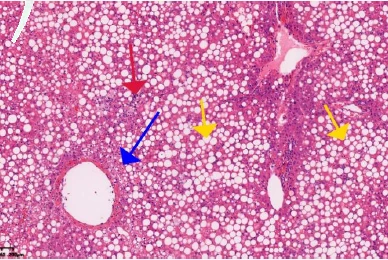
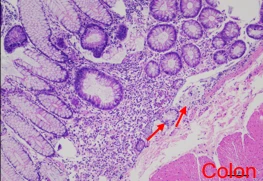
One asthma model monkey euthanized for pathological evaluation