


NHP Pharmacology
With over 15 years of NHP research experience, we ensure accurate non-human primate (NHP) models selection and reliable research results, thereby improving the effectiveness of drug development. Based on different needs, we offer professional custom services and fully cooperate with our customers' experimental plans and research goals. Additionally, we prioritize animal welfare through our IACUC and enrichment programs, ensuring that all research practices are ethical and uphold the highest standards of care.You can learn more about us through the following model introduction, or you can directly contact our professional service team.




At Prisys Biotechnology, we empower your research with a diverse portfolio of NHP models, spanning a wide range of therapeutic areas including Immunology & Inflammation, Bleeding & Clotting, Cardiometabolism, Nephrology, Respirology, CNS/Neurology, Fibrosis, Ophthalmology, and more. Our NHP pharmacology services provide crucial insights into drug efficacy, safety, and pharmacokinetics in a setting that closely mirrors human biology, bridging the gap between preclinical research and clinical success. With our scientific staff averaging over 15 years of experience, you can expect more when you work with Prisys.
Partner with us to unlock the full therapeutic potential of your drug candidates and advance your research to the next level.At Prisys, we prioritize the ethical sourcing and treatment of our research animals. Our NHPs are all farm-raised for research purposes, and we undergo regular audits to ensure the integrity of our supply chain. Detailed animal information and supplier provenance are readily available upon client request. We are also proud to be an AAALAC accredited facility, further demonstrating our commitment to the highest standards of animal care and welfare.
What are advantages of NHP Pharmacology ?
Enhanced Translational Value
NHP models closely resemble human biology, providing more accurate predictions of clinical outcomes and facilitating a smoother transition from preclinical research to clinical trials.
Reduced Development Risks
NHP models enable early identification of potential safety and efficacy issues, minimizing risks and optimizing resource allocation in drug development.
Comprehensive Disease Models
A diverse portfolio of well-characterized NHP models mimicking various human diseases, enabling the investigation of complex pathologies and the evaluation of targeted therapies.
Accelerated Drug Development
NHP models provide valuable insights into drug efficacy and safety, enabling faster and more efficient drug development timelines.
Improved Predictive Power
NHP models offer a more accurate representation of human physiology and disease, leading to more reliable predictions of clinical efficacy and safety compared to traditional preclinical models.
Advanced Research Techniques
Utilization of cutting-edge technologies, such as telemetry, imaging, and molecular analyses, to provide comprehensive and insightful data for informed decision-making.
Types of NHP Pharmacology
Prisys Biotech's Immunology & Inflammation model focuses on understanding immune responses and inflammatory processes using NHP models that closely mimic human immune systems. They specialize in modeling autoimmune diseases, chronic inflammation, allergies, transplantation rejection, and inflammatory infectious diseases. The platform supports drug development with advanced immunology assays, in vivo imaging, and bio-sampling, ensuring precise and comprehensive therapeutic efficacy and safety evaluations.
Prisys Biotech's Bleeding & Clotting disease research providing a highly translatable model for hematological disorders. It offers models for hemostasis, hemophilia, intracerebral hemorrhage, and thrombosis, enabling detailed coagulation analysis and therapeutic evaluation. The facility features a 1000m² lab with sterile units and an ICU for post-surgical care, supported by a professional team for high-quality research outcomes.
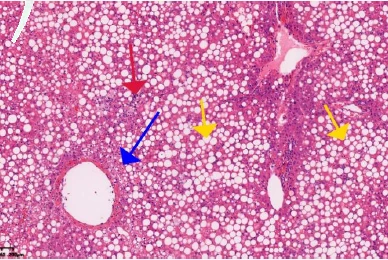
Prisys Biotech's Cardiometabolism Disease Research includes advanced imaging and diagnostic tools (MRI, DSA, DEXA, ultrasound) and supports a range of assays for lipid profiling and glucose metabolism. It offers models for NASH, hypercholesterolemia, insulin resistance, hyperlipidemia, obesity, and diabetes, facilitating the development of targeted therapies and accelerating clinical translation of treatments.
Prisys Biotech offers a comprehensive suite of NHP models for nephrology research, including Chronic Kidney Disease (CKD), Acute Kidney Injury (AKI), Focal Segmental Glomerulosclerosis (FSGS), and IgA Nephropathy (IgAN). These models, coupled with advanced techniques like telemetry and imaging, provide valuable insights into disease mechanisms and facilitate the development of novel therapies.
Prisys Biotechnology provides comprehensive NHP respiratory disease models, including Asthma, COPD, Pulmonary Fibrosis, and Acute Lung Injury, enabling investigation of disease mechanisms and evaluation of novel therapies. Advanced techniques like pulmonary function tests and bronchoscopy are employed for precise data acquisition.
Prisys Biotech's CNS/Neurology model utilizes advanced technologies like MRI-guided neurosurgery and AI-based behavioral analysis to develop comprehensive models for diseases such as Alzheimer's, Parkinson's, and epilepsy. Leveraging non-human primates due to their close genetic and physiological similarities to humans, their approach enhances the accuracy of disease modeling and therapeutic evaluation, bridging the gap between preclinical studies and human clinical trials.
Prisys Biotechnology offers a variety of NHP models for fibrosis research, encompassing renal, pulmonary, hepatic, and cardiac fibrosis. These models facilitate the investigation of fibrotic mechanisms and the evaluation of anti-fibrotic therapies. Advanced imaging and histological techniques are utilized for comprehensive assessment.
Prisys Biotechnology provides NHP models for various ophthalmic diseases, including Diabetic Retinopathy, Age-related Macular Degeneration, and Glaucoma. These models allow for the evaluation of novel therapies and the investigation of underlying disease mechanisms. Advanced imaging techniques like OCT and fundus photography are utilized for precise assessment.
Application of NHP Pharmacology
Evaluate Drug Efficacy
NHP models allow for the assessment of drug efficacy in a complex biological system that closely resembles the human body, providing more accurate predictions of clinical outcomes compared to traditional preclinical models.
Assess Drug Safety
By utilizing NHP models, researchers can identify potential safety concerns and adverse effects before advancing drug candidates into human trials, minimizing risks and optimizing clinical development strategies.
Investigate Pharmacokinetics and Pharmacodynamics
NHP models provide a valuable platform for understanding drug absorption, distribution, metabolism, and excretion (ADME) in a system that closely parallels human physiology, allowing for the optimization of drug dosages and formulations.
Explore Disease Mechanisms
NHP models offer a unique opportunity to investigate the underlying mechanisms of various diseases, leading to a deeper understanding of disease pathogenesis and the identification of novel therapeutic targets.
Validate Target Engagement and Biomarker Identification
Through the use of NHP models, researchers can confirm target engagement and identify potential biomarkers that can be used to monitor drug efficacy and predict clinical response in human trials.
Key differences between NHP Pharmacology and traditional rodent pharmacology
Enhanced Translational Relevance
NHPs share greater genetic and physiological similarities with humans compared to rodents, resulting in more accurate predictions of clinical outcomes and improved translational value.
Complex Disease Modeling
NHP models can recapitulate more complex human diseases and pathologies, including intricate immune responses and higher-order cognitive functions, which are often difficult to replicate in rodent models.
Predictive Pharmacokinetics
NHPs exhibit drug metabolism and pharmacokinetic profiles that are closer to humans, providing more reliable data for dose optimization and prediction of human exposure.
Advanced Investigative Techniques
The larger size and physiological similarities of NHPs allow for the use of more sophisticated research techniques, such as advanced imaging, telemetry, and complex surgical procedures, enabling more in-depth investigations and data acquisition.
FAQ
How To Cooperate With Us ?
Consultation and Study Design
We initiate the process with a comprehensive consultation to understand your specific research needs, objectives, and therapeutic area. Our scientific team will collaborate closely with you to grasp the nuances of your experimental requirements and provide expert guidance on the most suitable NHP models and methodologies, leading to the development of a preliminary study design.
Study Optimization and Confirmation
Building upon the initial design, Prisys Biotech will tailor the NHP pharmacology service to precisely align with your experimental objectives. This includes selecting the appropriate NHP models, defining study parameters, integrating any specialized techniques or endpoints required for your research, and culminating in the finalization of the study protocol.
Proposal and Quotation
Upon confirmation of the study design, Prisys will provide you with a detailed project proposal and a comprehensive quotation. This documentation will clearly outline the study design, timelines, costs, and deliverables, ensuring transparency and agreement on all aspects of the collaboration before initiating the study.
Ethical Review and Compliance
Prior to study commencement, Prisys Biotech ensures that all protocols undergo a rigorous ethical review process. This step guarantees adherence to animal welfare standards and regulatory requirements, reflecting our unwavering commitment to ethical research practices.
Study Execution and Data Acquisition
With the finalized and approved study design, the research will be executed meticulously according to the agreed-upon plan. This phase encompasses performing experimental procedures, collecting data, conducting necessary analyses, and maintaining consistent communication with you, providing regular updates on the study's progress.
Data Analysis, Report Generation, and Follow-up Support
Following the completion of the experimental phase, Prisys Biotech will conduct thorough data analysis using advanced tools and methodologies. We will then generate a comprehensive study report encompassing all relevant data, interpretations, and conclusions, providing you with valuable insights to inform your drug development decisions. Furthermore, we offer ongoing support to address any queries or requirements you may have after the study's conclusion, including data clarification, additional studies, or assistance with regulatory submissions.
Certifications
Prisys Biotech upholds the highest standards of quality and ethical conduct, evidenced by our AAALAC accreditation, Animal Use License, and dedicated IACUC. Our facilities adhere to BSL-2 standards and our quality management system complies with ISO9001. These credentials ensure the reliability, integrity, and ethical soundness of our research services.


The PRISYS Translational Research Center (PTRC) is a leading facility specializing in NHP research. PTRC offers comprehensive capabilities for studies encompassing drug efficacy, safety pharmacology, early discovery. The center boasts state-of-the-art imaging equipment, including CT, MRI, enabling the acquisition of high-quality data across diverse research areas. PTRC's in vitro testing platform, coupled with specialized neurobehavioral and respiratory laboratories, supports advanced research in CNS, respiratory, metabolic, and ophthalmological diseases. The facility houses AAALAC-accredited animal rooms equipped with evolving environmental enrichment programs, ensuring the highest standards of animal care and research quality.


