Delayed-type Hypersensitivity (DTH) Nonhuman Primates Disease Model
Delayed type hypersensitivity (DTH), also called type IV hypersensitivity, is a common immune response that occurs through direct action of sensitized T cells when stimulated by contact with antigen. It is referred to as a delayed response in that it will usually require 12–24 hours at a minimum for signs of inflammation to occur locally.
Delayed type hypersensitivity (DTH)
Disease symptoms: skin rash, eczematoid reaction
Causes: in contrast to type I, II, III hypersensitivity, which mainly involves antibody response (humoral), DTH is a type of cell-mediated response. This response involves the interaction of T cells, monocytes, and macrophages.
This reaction is caused when CD4+ Th1 cells recognize foreign antigen in a complex with the MHC class II on the surface of antigen-presenting cells, which stimulates the proliferation of CD4+ Th1 cells. CD4+ T cells secrete IL-2 and interferon gamma (IFN-γ), inducing the further release of other Th1 cytokines, thus mediating the immune response. Activated CD8+ T cells destroy target cells on contact, whereas activated macrophages produce hydrolytic enzymes and, on presentation with certain intracellular pathogens, transform into multinucleated giant cells.
The overreaction of the helper T cells and overproduction of cytokines damage tissues, cause inflammation, and cell death.
Advantages of NHP DTH model
Study design and clinical endpoints
Study design:

Clinical endpoints:
Skin observation (rash, erythema)
Skin induration measurement
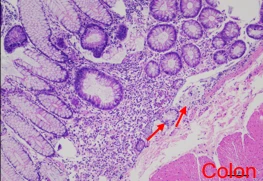
Skin histopathology: HE,
IHC: CD3+ T cell
CD68+ macrophage

key result and figure legend


Hot Tags: delayed-type hypersensitivity (dth) nonhuman primates disease model, research, study, monkey, gene therapy, NHP biomarker pharmacology, NHP pharmacodynamics pharmacology, Uveitis Nonhuman Primates Disease Model, NHP atopic Dermatitis Model, nhp company, NHP Asthma Dermatitis Model
You Might Also Like



Send Inquiry