


Immunotoxicity Testing and NHP Drug Safety Evaluation
Immunotoxicity refers to adverse effects of a drug or other exogenous substance on the immune system, including immune suppression, immune stimulation, hypersensitivity, and other abnormal immune responses. Because immune-related adverse effects may not always be identified through conventional toxicity endpoints alone, targeted immunotoxicity assessment may be required during preclinical drug development.
Prisys Biotech provides integrated immunotoxicity and drug safety evaluation services across in vitro and in vivo studies. Based on the study objectives, compound characteristics, and findings from conventional toxicity studies, our scientific team can develop tailored immunotoxicity assessment strategies and select appropriate immune-related endpoints.
For biologics, immunomodulatory therapies, and compounds intended to directly affect the immune system, non-human primate (NHP) studies may provide important translational information because of the closer similarity of primate immune and physiological characteristics to humans.
Conventional Toxicity Assessment
Conventional toxicity studies provide the initial basis for identifying potential immune-related adverse effects and determining whether additional immunotoxicity studies are warranted.
Depending on the study design, Prisys can support:
- Hematology and clinical chemistry
- Organ weight and gross pathological examination
- Histopathological evaluation
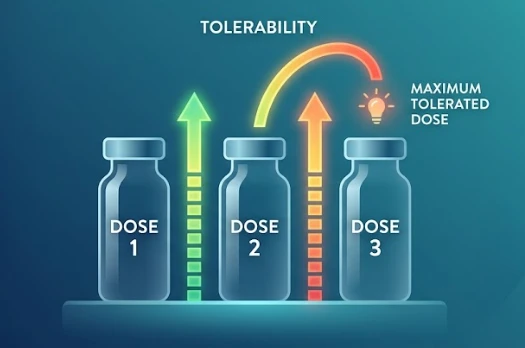
- Dose-range finding and maximum tolerated dose (MTD) studies
- Single-dose toxicity studies
- Repeated-dose toxicity studies
- Evaluation and interpretation of stress-related changes
These assessments can help identify changes in lymphoid organs, hematological parameters, inflammatory responses, or other findings that may indicate potential effects on the immune system.
Additional Immunotoxicity Assessment
When conventional toxicity studies or the pharmacological mechanism indicate a potential risk to the immune system, additional functional or mechanistic assessments can be incorporated into the study.
Depending on the development stage and study objectives, available approaches include:
T-cell dependent antibody response (TDAR)
Evaluation of the antibody response to a T-cell-dependent antigen as an important functional endpoint for humoral immune competence.
Delayed-type hypersensitivity (DTH)
Assessment of antigen-specific cellular immune responses and cell-mediated immune function.
Immunophenotyping
Flow cytometry-based characterization of immune cell populations and lymphocyte subsets, supporting evaluation of changes in immune-cell composition.
Natural killer (NK) cell activity
Assessment of innate immune function and NK-cell-mediated cytotoxic activity.
Host resistance studies
Evaluation of the ability of the immune system to respond to defined infectious or other challenge conditions when scientifically justified.
Macrophage and neutrophil function
Assessment of selected innate immune functions when indicated by the compound's mechanism or observed findings.
Additional cellular and humoral immune assays can be incorporated according to the compound, target, mechanism of action, and identified safety signals.
Hypersensitivity and Other Immune-Related Safety Assessments
For compounds with a potential risk of hypersensitivity or other immune-mediated adverse effects, appropriate specialized safety assessments can be incorporated into the overall nonclinical program.
Depending on the development strategy, these may include allergy or hypersensitivity-related assessments, together with relevant clinical pathology, histopathology, and immunological biomarker analysis.
Other safety assessments, such as hemolysis, local irritation, or phototoxicity, can also be considered as separate components of an integrated nonclinical safety evaluation when relevant to the route of administration and physicochemical characteristics of the test article.
Inhalation-Related Immunotoxicity and Respiratory Safety
For inhaled drugs and other compounds administered through the respiratory tract, immune and inflammatory responses in the respiratory system may require additional evaluation.
Prisys can support integrated inhalation-related assessments, including:
- Routine clinical and safety observations
- Respiratory and pulmonary function assessment
- Local mucosal and inflammatory responses
- Histopathological examination of respiratory tissues
- Evaluation of relevant immune and inflammatory biomarkers
- Particle size characterization and distribution of inhaled formulations, where applicable
These assessments can be integrated with respiratory disease models and clinical-equivalent imaging approaches when required by the research objectives.
Juvenile Animal Studies
Juvenile animal studies are considered separately from routine immunotoxicity studies and may be incorporated when developmental or pediatric safety is a specific concern.
Depending on the study objectives, assessments may include physical development, growth and maturation, neurobehavioral development, learning and memory, endocrine-related parameters, reproductive development, and bone development.
The specific endpoints should be determined according to the age and developmental stage of the animals, the mechanism of action of the test article, and the objectives of the nonclinical development program.
Integrated Immunotoxicity Evaluation in NHPs
For selected drug candidates, particularly biologics and immunomodulatory therapies, NHP studies can provide complementary information on immune-system effects in a physiologically relevant model.
Prisys integrates NHP disease and pharmacology models with clinical pathology, flow cytometry, biomarker analysis, histopathology, PK/PD, and clinical-equivalent imaging where appropriate. This integrated approach allows immune-related findings to be interpreted together with systemic exposure, pharmacodynamic activity, tissue-level changes, and overall safety findings.
Our research platform supports study designs ranging from targeted immunological assessments to integrated repeated-dose safety and pharmacology programs.
Why Choose Prisys for Immunotoxicity Studies?
Prisys provides an integrated preclinical research platform combining NHP studies, immunology and inflammation research, clinical pathology, flow cytometry, biomarker analysis, histopathology, PK/PD evaluation, and advanced imaging capabilities. Our experienced scientific and veterinary teams can support study design, animal procedures, sample collection, immunological assessment, data interpretation, and integrated reporting.
This multidisciplinary approach is particularly useful when immunotoxicity needs to be evaluated together with pharmacological activity, systemic exposure, disease mechanisms, or other safety endpoints.
FAQ
Q: What is immunotoxicity testing?
A: Immunotoxicity testing evaluates whether a drug or other test article adversely affects immune-system function. Depending on the compound and identified risks, assessments may address immune suppression, immune stimulation, hypersensitivity, changes in immune-cell populations, or impaired immune function.
Q: When is additional immunotoxicity testing needed?
A: Additional testing may be considered when conventional toxicity studies identify immune-related findings, when the mechanism of action suggests a potential immune risk, or when the test article directly targets or modulates the immune system. The appropriate endpoints should be determined on a case-by-case basis.
Q: What immunotoxicity endpoints can be evaluated in NHP studies?
A: Potential endpoints include hematology, lymphoid-organ histopathology, immunophenotyping, T-cell dependent antibody response (TDAR), delayed-type hypersensitivity (DTH), NK-cell activity, immune-related biomarkers, and selected functional immune assays.
Q: Why are NHPs used for immunotoxicity assessment?
A: NHPs can provide translationally relevant information for selected drug candidates because their immune-system characteristics and physiological responses are more closely related to humans than those of many conventional laboratory species. NHP use should nevertheless be scientifically justified based on the compound, mechanism, and development strategy.
Q: Can immunotoxicity be evaluated together with other safety studies?
A: Yes. Immunotoxicity endpoints can be incorporated into broader toxicity, pharmacology, PK/PD, respiratory, or other safety studies when scientifically appropriate. An integrated design can reduce unnecessary studies while allowing immune-related findings to be interpreted alongside systemic exposure and other safety endpoints.
Q: Can Prisys support inhalation-related immunotoxicity studies?
A: Yes. Inhalation studies can incorporate respiratory function, mucosal and inflammatory responses, histopathology, immune-related biomarkers, and other relevant endpoints. The study design can be adapted according to the inhaled formulation, route of administration, exposure characteristics, and research objectives.
Hot Tags: Immunotoxicity Testing and NHP Drug Safety Evaluation, research, study, monkey, gene therapy, toxicity in pharmacology, toxicity pharmacology, laboratory of toxicology, Safety Evaluation, New And Modified Applications, NHP Safety pharmacology
Previous
New and Modified ApplicationsNext
ToxicologyYou Might Also Like



Send Inquiry