Pharmacodynamics (PD)
Pharmacodynamics (PD) investigates the biochemical, physiological, and molecular effects of drugs on the body, elucidating their mechanisms of action. In contrast to Pharmacokinetics (PK), which focuses on drug absorption, distribution, metabolism, and excretion, PD examines the drug's interaction with biological systems and the resulting pharmacological effects. This includes analyzing the relationship between drug concentration and observed effect.
Understanding Pharmacodynamics (PD)
PD studies analyze drug interactions with biological targets to produce therapeutic or adverse effects. Key aspects include evaluating:
Dose-response relationships: Characterizing the magnitude of drug effect as a function of dose.
Time course of drug effects: Evaluating the duration and temporal dynamics of drug action.
Mechanisms of Action (MOA): Defining the molecular pathways through which drugs exert their effects.
Key PD parameters: Emax (maximum effect), EC50 (concentration at 50% of Emax), and Hill slope (describing the cooperativity or sensitivity of the dose-response).
These parameters are crucial for determining drug efficacy, safety, and therapeutic window.
Prisys Biotech: Your Partner in Comprehensive PD Studies
Integrated In Vivo PD Capabilities:
Comprehensive Endpoint Assessments: Biomarker evaluation, receptor binding assays, and functional assays to provide a detailed understanding of drug-induced effects.
Experienced PD Team: Our team possesses extensive expertise in pharmacodynamics to provide reliable and precise data to support your drug development efforts.
Advanced Sample Harvesting and Processing:
We offer a range of sample collection techniques, ensuring proper handling for accurate analysis:
Standard Tissue Biopsy: Liver, kidney (ultrasound-guided).
Endoscopic Biopsy: Trachea, lung, intestine, endometrium.
ABSL-2 Grade Respiratory Samples: Bronchoalveolar lavage fluid (BALF), Endotracheal glandular cells (EGC).
Tissue Fixation: Formalin, snap-frozen, and other specified fixatives.
Cutting-Edge Analytical Techniques:
We employ advanced analytical methods to generate robust and meaningful PD data:
Receptor Binding Assays: Quantifying drug-target affinity and occupancy.
Functional Assays: Assessing physiological effects of drug candidates in relevant models.
Biomarker Analysis: Monitoring drug effects using blood/urine tests, ELISA, and quantitative PCR (qPCR).
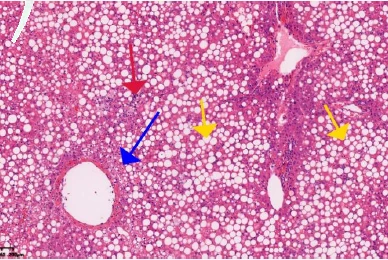
Pathology Lab: Histopathological and immunohistochemical (IHC) analysis to characterize tissue-specific drug effects.
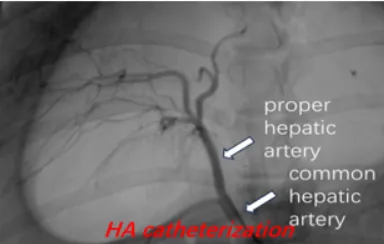
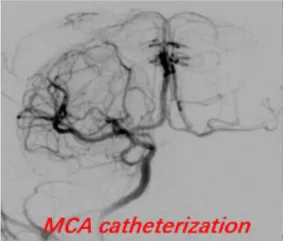
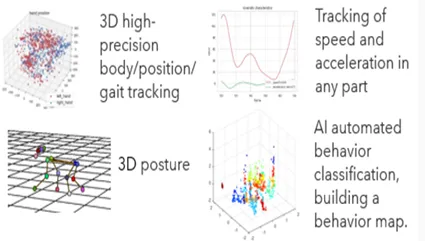
Prisys Biotech is committed to providing comprehensive, accurate, and reliable in vivo PD study services to support your drug development programs. Contact us to discuss how our expertise and capabilities can help you achieve your research objectives. We provide detailed and insightful PD studies that will drive your drug development forward.
For related reading, see our articles on pharmacodynamic requirements for new drug applications, challenges in pharmacodynamic modelling and the PK/PD relationship and its clinical implications.
Hot Tags: Pharmacodynamics (PD), research, study, monkey, gene therapy, in vivo pk, in vivo pharmacokinetics, ADME, Non human primate PD, pk and pd, Pharmacokinetics
Next
No InformationYou Might Also Like




Send Inquiry