

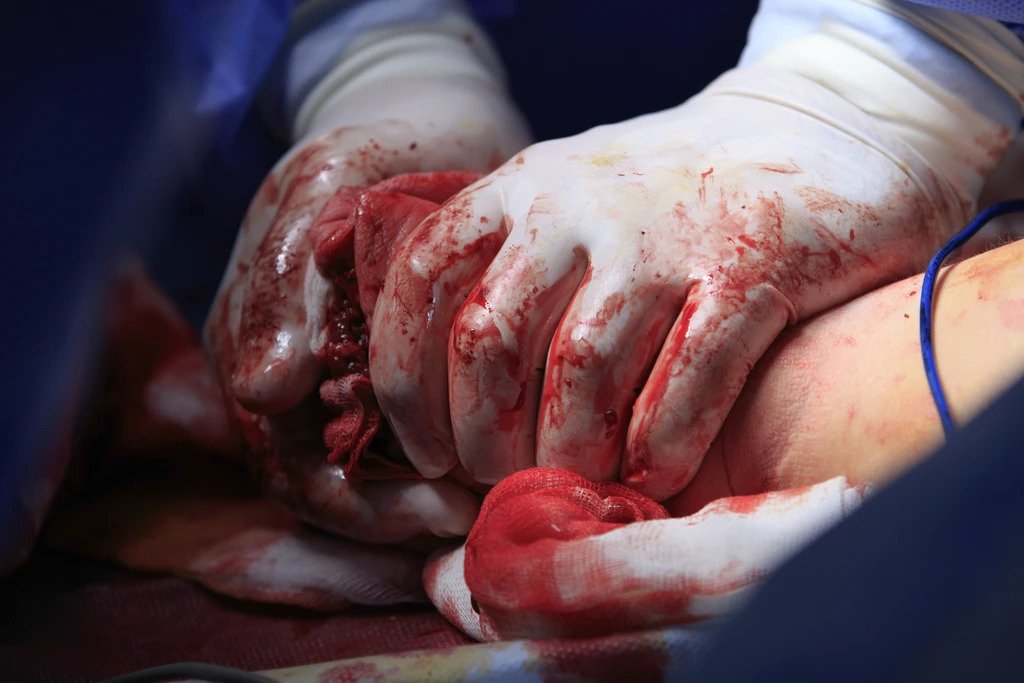
Acute hemorrhage, or severe blood loss, is a life-threatening condition resulting from trauma, surgery, or underlying medical issues. It can rapidly lead to hemorrhagic shock, where insufficient blood volume prevents the heart from pumping enough oxygenated blood to the body's tissues. This critical lack of oxygen can cause widespread organ damage and failure. While blood transfusions are the standard of care, challenges such as blood type compatibility, storage limitations, and the risk of transfusion-related complications highlight the urgent need for novel therapeutic interventions, including hemoglobin-based oxygen carriers (HBOCs) and other advanced hemostatic agents.
To bring these innovative treatments safely and effectively from the laboratory to the clinic, they must first be rigorously tested in a preclinical setting that accurately mimics human physiology. This is where Prisys Biotech, a high-tech enterprise specializing in non-human primate (NHP) translational medicine, plays a pivotal role. Leveraging our specialized hematology platform, we offer robust preclinical support for novel drug development, with our NHP acute hemorrhage model serving as a critical tool for evaluation.
Purpose and Application: Simulating a Clinical Crisis
The Prisys Biotech acute hemorrhage model is meticulously designed to simulate the physiological crisis of severe blood loss. The primary goal is to evaluate the efficacy and safety of investigational products, such as next-generation HBOCs, in their ability to restore physiological stability and maintain vital oxygen delivery to tissues. This research is indispensable for developing and optimizing drugs intended for emergency and trauma care, providing crucial data on a candidate's potential to save lives.
Model Establishment and Comprehensive Monitoring
Our model is established in cynomolgus monkeys (Macaca fascicularis), a species whose cardiovascular and physiological responses closely resemble those of humans. The procedure involves controlled blood withdrawal via ultrasound-guided arterial access to induce a state of acute hypovolemia.
Throughout the experiment, animals are subjected to intensive, multi-parameter monitoring to capture a detailed picture of their physiological response both to the blood loss and to the subsequent administration of the therapeutic agent. This includes:
- Continuous Physiological Monitoring: Real-time tracking of vital signs, including heart rate (HR), respiratory rate (RR), and peripheral oxygen saturation (SpO2), provides immediate insight into the animal's stability.
- Hemodynamic Assessment: Non-invasive blood pressure and core body temperature are measured at key time points before, during, and after hemorrhage and treatment, with daily follow-ups.
- Arterial and Venous Blood Gas Analysis: Using state-of-the-art analyzers, we measure critical parameters like pO2, pCO2, pH, and SO2 to directly assess the state of oxygenation and acid-base balance.
- Electrocardiography (ECG): 12-lead ECGs are performed under anesthesia to detect any cardiac abnormalities, such as signs of myocardial ischemia (e.g., low voltage, bradycardia, or tachycardia) that can result from severe blood loss.
- Clinical Observations: Daily cageside observations document activity levels, appetite, and signs of distress or adverse drug reactions, including pale skin and mucous membranes, which are classic symptoms of hemorrhage.
- Biochemical and Organ Function Panels: Blood and urine samples are collected at multiple time points to analyze a comprehensive suite of biomarkers, including blood chemistry, coagulation profiles, and cardiac enzyme panels (CK, CK-MB, cTnT), to monitor the health of vital organs like the heart and kidneys.

This depth of monitoring ensures that every aspect of the animal's response is captured, providing our partners with a rich dataset to evaluate their product's performance.
The Broader Prisys Biotech Hematology and Translational Platform
The acute hemorrhage model is just one component of Prisys Biotech's extensive capabilities. Our integrated platform spans a wide range of disease areas, including anemia, bleeding disorders (e.g., hemophilia), and thrombosis, supported by advanced clinical imaging, surgical suites, and animal housing facilities. This allows us to provide end-to-end preclinical services, from initial efficacy and safety studies to in-depth pharmacokinetic (PK) and pharmacodynamic (PD) profiling. By leveraging the high translational value of NHP models, we help bridge the gap between early discovery and successful clinical trials.
Conclusion: Partnering for Innovation in Hematology
Prisys Biotech is dedicated to providing our global partners with reliable, high-quality NHP models and cutting-edge technologies. By offering a robust and highly relevant acute hemorrhage model, we empower researchers to rigorously test and validate novel life-saving therapies. Our commitment to scientific excellence and animal welfare helps accelerate the drug development pipeline, with the ultimate goal of delivering transformative treatments to patients worldwide.


